How To Ceramic Coat A Car: Step-By-Step Guide For Lasting Protection
Table of Contents
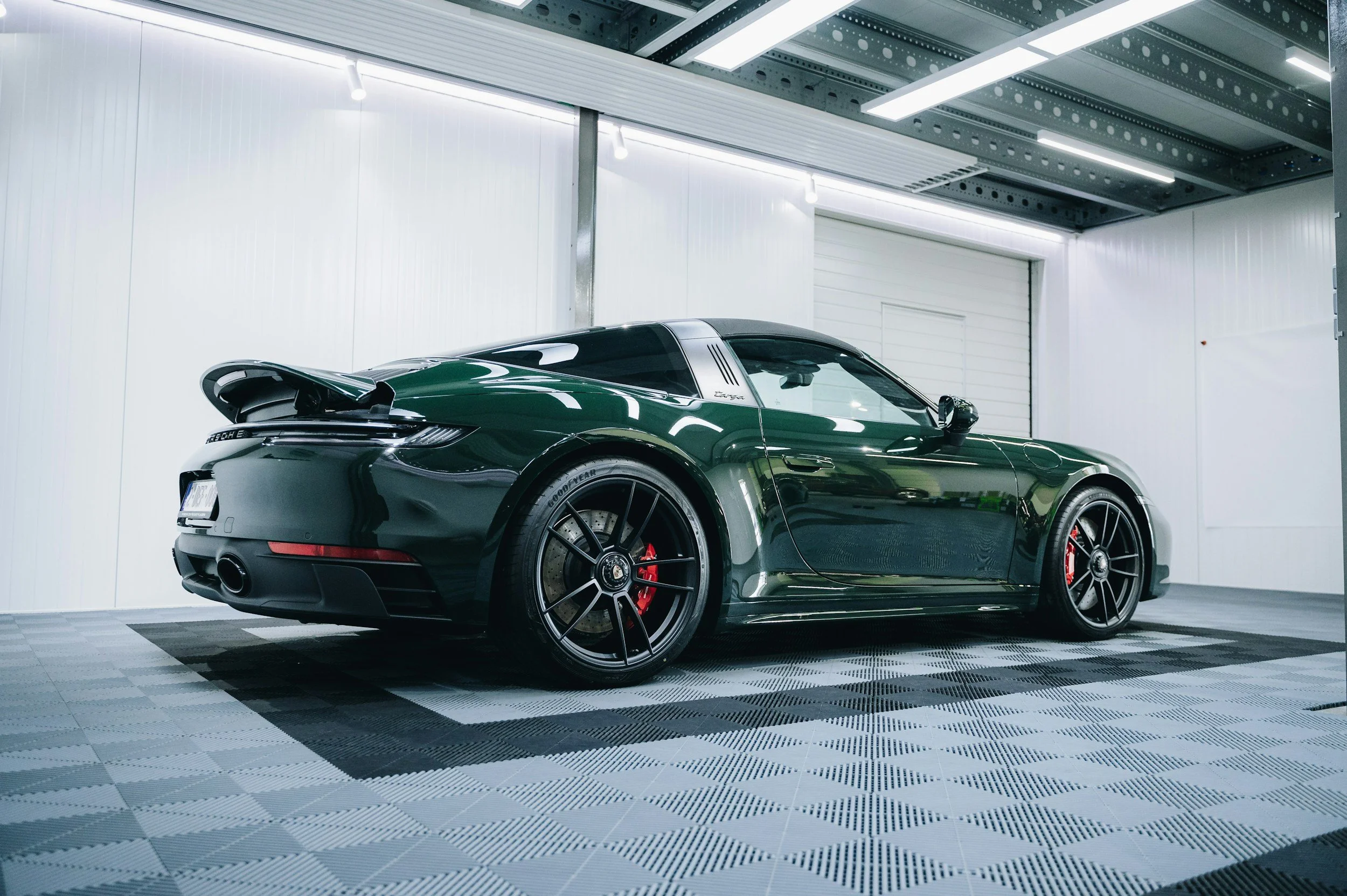
Ceramic coating is one of the best ways to protect your car’s paint, enhance gloss, and reduce maintenance. If you're searching for how to ceramic coat a car, this guide from Spec Auto Detailing walks you through the process and helps you understand when professional service is the smarter, more cost-effective choice.
Key Takeaways
Proper surface preparation determines coating durability and bonding strength
Apply coating in small sections using a controlled crosshatch pattern
Flash time ranges from 30 seconds to several minutes, depending on temperature, humidity, and product formulation
Initial curing takes 12–72 hours; full curing takes up to 21 days
DIY coatings last 6 months to 2 years; professional coatings last 2–5+ years
What Is Ceramic Coating?
Ceramic coating is a liquid polymer that forms a semi-permanent bond with your vehicle's factory clear coat. This bond is created through a combination of chemical interaction and mechanical adhesion. It creates a protective layer that is resistant to washing and mild environmental abrasion but can be removed or reduced through machine polishing or aggressive decontamination.
Most professional-grade coatings use SiO₂ (silicon dioxide), or in newer formulations, TiO₂ (titanium dioxide). Actual formulations and solid content vary significantly by manufacturer and are rarely disclosed. These coatings are engineered to create a hydrophobic and chemical-resistant surface.
This protection:
Reduces UV damage and oxidation
Prevents chemical staining from bird droppings, tree sap, and road salts
Increases gloss and color depth
Simplifies washing and drying
Creates a hydrophobic surface that reduces dirt adhesion and makes cleaning easier
It's important to understand what ceramic coating is not: it is not a scratch-proof or chip-proof solution. For physical impact protection, paint protection film remains the superior choice. Ceramic coating excels at chemical resistance, UV protection, and hydrophobicity - not impact absorption.
How Long Does Ceramic Coating Last?
This is one of the most searched questions among car owners. The answer depends heavily on the product tier, preparation quality, and how well you maintain the coating after application:
| Coating Type | Expected Lifespan |
|---|---|
| Consumer DIY (spray or wipe-on) | 6 months – 1 year |
| Enthusiast DIY (SiO2 nano-coating) | 1 – 2 years |
| Professional entry-level | 2 – 3 years |
| Professional multi-layer | 3 – 7+ years under ideal conditions; real-world durability depends heavily on climate, usage, and maintenance |
Tools And Materials You’ll Need
Before learning how to apply ceramic coating, make sure you have:
pH-neutral or strip car shampoo
Iron remover for chemical decontamination
Clay bar or clay mitt for surface smoothing
Machine polisher with appropriate cutting, polishing, and finishing compounds
Isopropyl alcohol (IPA) solution (typically diluted to 10–30%) or a dedicated panel prep solution
Microfiber towels (use a minimum of 6–8 clean, lint-free towels - dedicated towels for removal and buffing)
Foam or microfiber applicator pads
Nitrile gloves to prevent contamination
Bright LED lighting or a paint inspection light to detect high spots and surface defects
A paint depth gauge (recommended) to monitor clear coat thickness before polishing
Masking tape to protect the rubber trim and plastic from accidental coating contact
Using proper tools minimizes errors and ensures a professional-quality result.
Step-By-Step: How To Apply Ceramic Coating
Step 1: Wash The Vehicle
Wash the vehicle using a strip shampoo to remove dirt, wax, sealants, and any previously applied quick detailers. A two-bucket wash method - one bucket for soapy water, one for rinsing your mitt - reduces the risk of introducing new swirl marks. A clean surface improves coating adhesion and durability.
Step 2: Decontaminate The Surface
Apply an iron remover to dissolve embedded iron particles. You'll know it's working when the product turns purple - that's a chemical reaction with oxidized iron. Follow with a clay bar treatment until the paint feels smooth and free of bonded contaminants.
Run the "plastic bag test": Place your hand in a thin plastic bag and glide it over the surface; any roughness means more claying is needed.
Step 3: Perform Paint Correction
Use a machine polisher to remove swirl marks, oxidation, and light scratches. Start with a less aggressive pad and compound combination, working up to cutting compounds only where necessary - over-polishing thins the clear coat.
Ceramic coating locks in the current surface condition for the lifespan of the coating, so any defects left behind will remain visible after application.
Tip: Use your LED inspection light at multiple angles after each polishing stage to confirm swirl marks are fully removed before moving to the next panel.
Step 4: Panel Preparation
Wipe each panel with an isopropyl alcohol (IPA) solution to remove polishing oils and residue. Work one panel at a time - IPA evaporates quickly, and any delay risks oil residue from your hands or the environment contaminating the surface. Proper panel prep ensures strong nano-coating bonding.
Do not touch the panel with bare hands after IPA wipe-down, and always wear nitrile gloves.
Step 5: Apply Ceramic Coating
Work in small sections (approximately 2x2 feet).
Apply 3–5 drops of coating to the applicator
Spread using a crosshatch pattern (vertical and horizontal passes)
Maintain 50% overlap for even coverage
Work indoors or in a shaded, temperature-controlled environment - direct sunlight dramatically accelerates flash time and can cause high spots before you can buff them off
Replace applicators regularly to prevent uneven application. If your applicator feels dry or begins dragging, replace it immediately - a dry applicator drags coating unevenly and creates streaks.
Step 6: Level And Buff
Observe the flash stage when the coating begins to haze or show a rainbow effect. Flash time ranges from 30 seconds to a few minutes, depending on temperature, humidity, and coating formula.
Use one clean microfiber towel to remove excess coating and a second towel to refine the finish and eliminate streaks. Use light, straight-line passes; circular buffing creates uneven pressure and can leave marks.
Step 7: Allow Proper Curing
Keep the vehicle dry for 12 to 72 hours during initial curing. Full curing takes 7 to 21 days, depending on environmental conditions.
During the curing window:
Avoid parking under trees (bird droppings and sap can etch the uncured coating)
Do not apply any other products (waxes, quick detailers, tire dressings)
Keep the vehicle in a garage, if possible, for the first 48 hours
Avoid washing or exposing the vehicle to chemicals during this period
Common Mistakes To Avoid
When learning how to apply ceramic coating, these mistakes are very common:
Skipping a full decontamination wash - iron particles and bonded contaminants under the coating cause premature failure
Skipping paint correction, which results in visible defects under the coating
Applying too much product leads to high spots and an uneven finish
Buffing too late, causing streaks and difficult removal that may require wet-sanding to fix
Working in direct sunlight or high humidity which affects flash time
Using poor lighting, which hides defects until after curing
Not replacing applicator pads frequently enough, causing the product to drag rather than speed up
Applying a coating over plastic trim or rubber seals without masking - ceramic coating on trim causes white residue that is very difficult to remove
These errors can lead to streaks, high spots, or may require polishing or, in severe cases, wet-sanding to correct.
Maintenance After Ceramic Coating
Proper maintenance preserves coating performance and gloss:
Use pH-neutral shampoo for washing
Wash every one to two weeks - do not let contamination build up, as heavy grime defeats the hydrophobic effect
Apply SiO2 maintenance boosters every 3–6 months to replenish hydrophobicity and extend coating life
Avoid automatic car washes with abrasive brushes
Use a foam cannon or pre-rinse step to loosen surface debris before contact washing
Dry with a clean, high-pile microfiber drying towel or a forced-air blower - never drag a chamois across a ceramic-coated surface
Proper maintenance preserves coating performance and gloss, and it plays a major role in determining how long does ceramic coating last on your vehicle.
DIY Vs. Professional Ceramic Coating
| Factor | DIY Application | Professional Service |
|---|---|---|
| Cost | Lower upfront | Higher upfront |
| Skill Required | High | Expert-level handled |
| Surface Prep | Often limited | Full paint correction included |
| Durability | 1–2 years (typical) | 3–7+ years |
| Finish Quality | Risk of streaks/high spots | Even flawless finish |
| Warranty | None | Often included |
DIY works for experienced users, but professional service is often preferred for long-term durability and consistency, especially for high-value vehicles or when proper equipment is not available.
When You Should Consider Professional Help
You should skip DIY and go professional if:
Your paint has swirl marks, water spots, or oxidation that require machine correction
You want long-term protection (3+ years) backed by a warranty
You don't have prior experience with machine polishing or paint decontamination
You want warranty-backed results and documented service records
Your vehicle is new, high-value, or a daily driver, where mistakes have significant consequences
You want a multi-layer coating system, which requires precise timing between coats, that is difficult to execute at home
Get Professional Ceramic Coating In Fremont, CA
If you want the full benefits of ceramic coating without the risk of costly mistakes, professional service is the smarter investment.
At Spec Auto Detailing, we handle every step, from deep surface decontamination and multi-stage paint correction to precise coating application in a controlled environment, ensuring your coating bonds correctly and lasts for years.
Contact Spec Auto Detailing to book your ceramic coating in Fremont, CA today and get a finish that truly protects and enhances your vehicle.
FAQs
-
Depending on the product tier and application quality, ceramic coating can last anywhere from 6 months to 7+ years. Consumer spray coatings last 6–12 months, enthusiast-grade DIY coatings last 1–2 years, and professional multi-layer systems last 3–7+ years. Proper maintenance significantly extends coating life.
-
Yes, but it requires proper tools, a clean workspace, and a solid understanding of paint correction and decontamination. Mistakes during application, particularly high spots, uneven flash, or skipped prep, can affect both appearance and durability.
-
Yes. Paint correction is essential. Ceramic coating locks whatever surface condition exists at the time of application. Any swirl marks, oxidation, or scratches will remain permanently visible under the coating.
-
A full process, including decontamination, paint correction, and coating application, typically takes 1 to 3 days. Professional services may take longer depending on the vehicle's condition and the number of coating layers applied.
-
Yes. Ceramic coating lasts significantly longer, provides better resistance to UV damage, chemical contaminants, and water spotting, and creates a harder surface than wax. However, wax remains a low-cost option for temporary protection on a budget.
-
DIY kits range from $30 to $150. Professional ceramic coating services typically range from $700 to $1850+, depending on vehicle size, paint condition, number of layers, and coating brand. The higher upfront cost of professional service is often offset by the longer lifespan and warranty coverage.
-
Yes. Many detailers apply ceramic coating on top of PPF as the two products are complementary. PPF handles physical impacts and rock chips, while ceramic coating adds hydrophobicity and chemical resistance on top. This combination is considered the gold standard in vehicle paint protection.